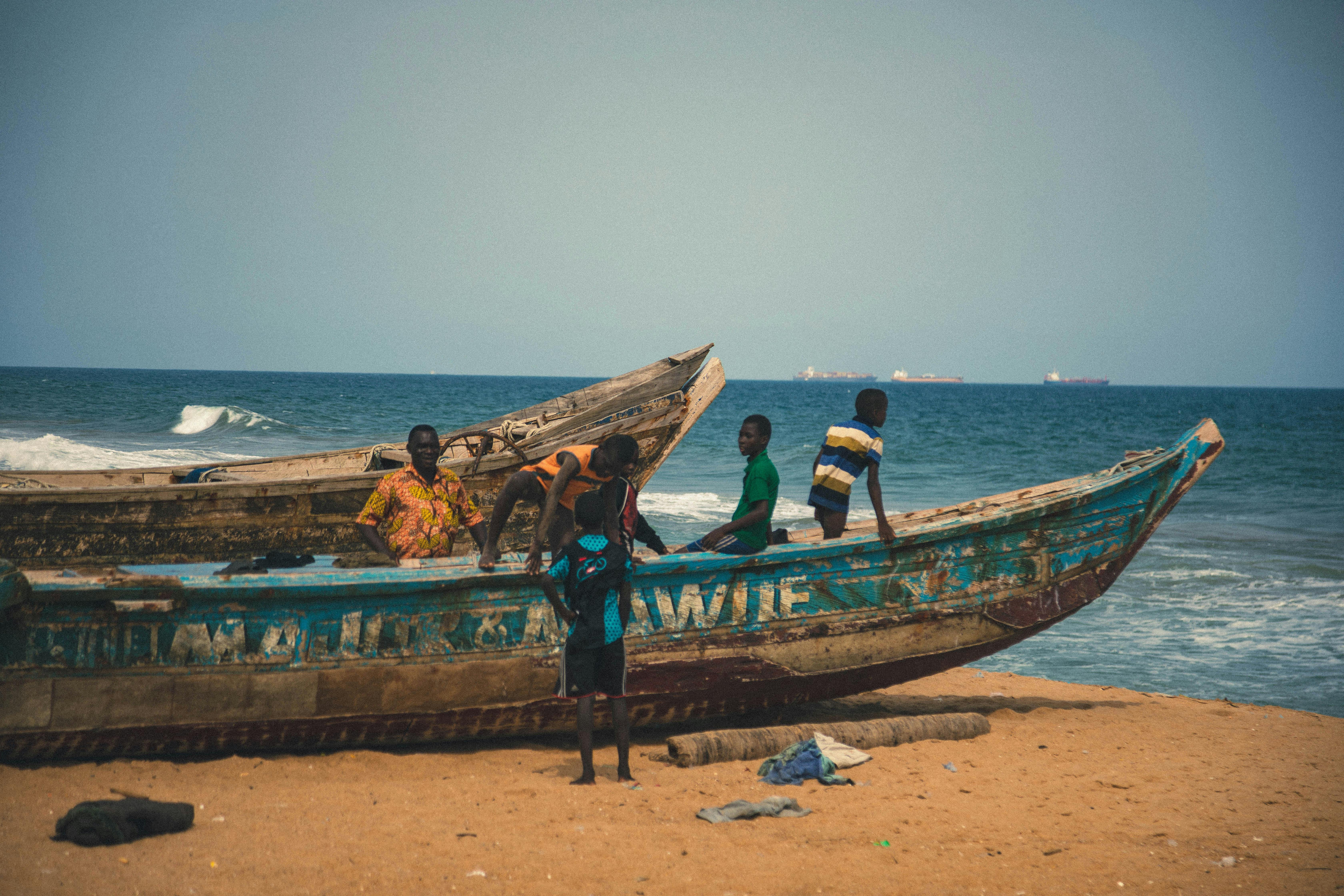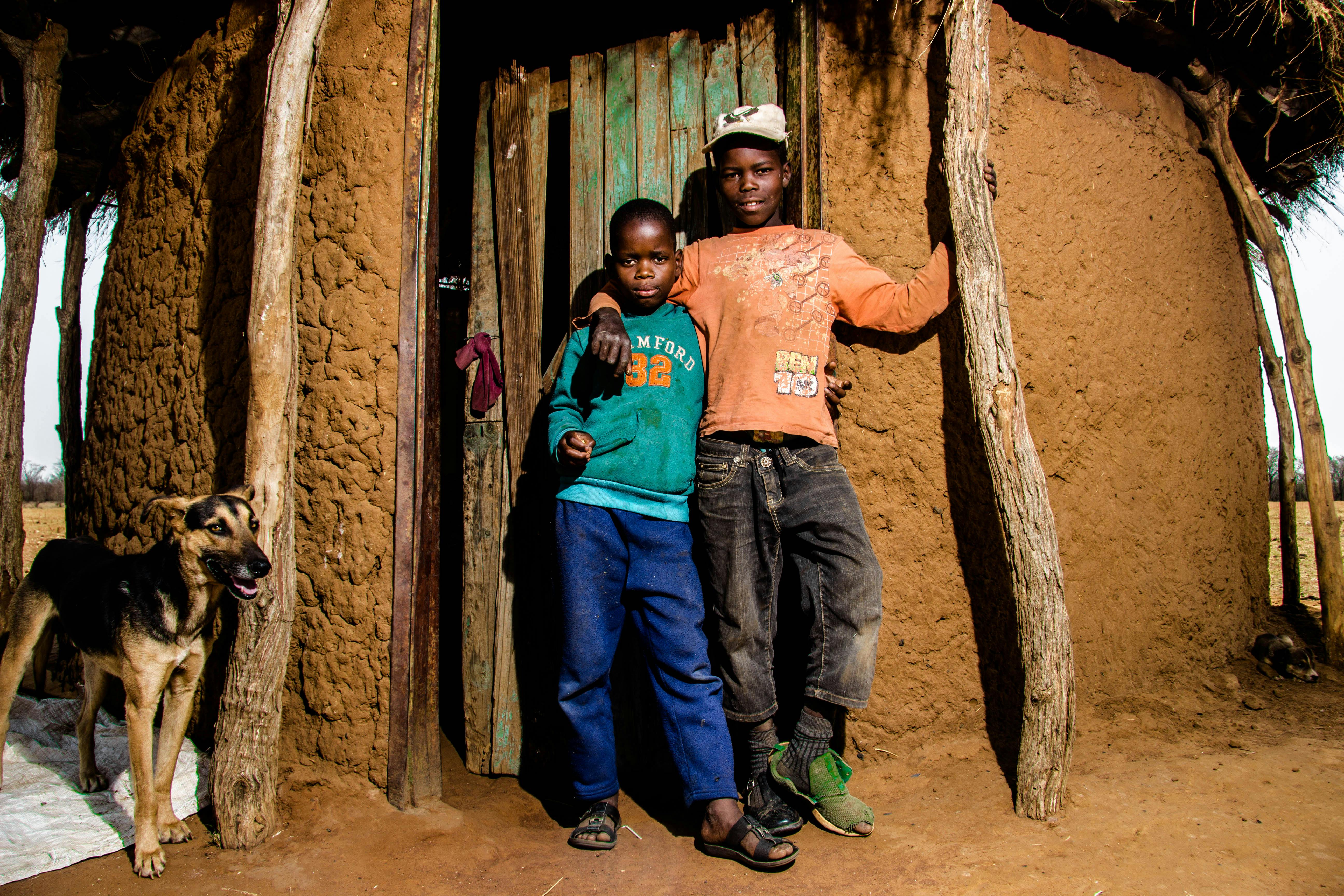
I crossed the border into Togo on a packed minibus, squeezed between a woman selling fried plantains and a guy transporting three live chickens. Nobody told me to expect this—the guidebooks I’d read skipped right over Togo and Benin, like they were the forgotten middle children of West Africa. But that’s exactly why I went. Where everyone ignores, budgets thrive. And as my bank account would soon prove, these two countries are where the most broke backpackers should be spending their time doing broke backpacking.
The Togo & Benin loop isn’t flashy. You won’t find Instagram-worthy resort shots or luxury colonial hotels. What you’ll find is raw, unfiltered West Africa through broke backpacking at $18 a day—and honestly, some of the best travel experiences I’ve had while doing broke backpacking.
Why Togo and Benin? The Gap in the Guidebooks
When I started planning this loop, I kept hitting the same wall: nobody writes about Togo and Benin. Backpackers flood Senegal, Ghana explodes with tourists, and even Burkina Faso has a cult following. But Togo? Benin? They’re the forgotten twins of West Africa—overlooked, underrated, and absurdly cheap.
Here’s the thing: that invisibility is a feature, not a bug. Because travelers aren’t flooding in, prices haven’t inflated. Guesthouses still cost $8–12 a night. Street food meals run $1–2. And you get to experience these countries before the mass tourism circuit discovers them. I felt like an explorer, not a tourist.
Togo and Benin also sit perfectly for a loop. You can hit them back-to-back, cross the border multiple times without visa drama, and cover some of West Africa’s most compelling cultural ground: voodoo temples, colonial history, golden-sand beaches, and local markets that haven’t been packaged for tourists.
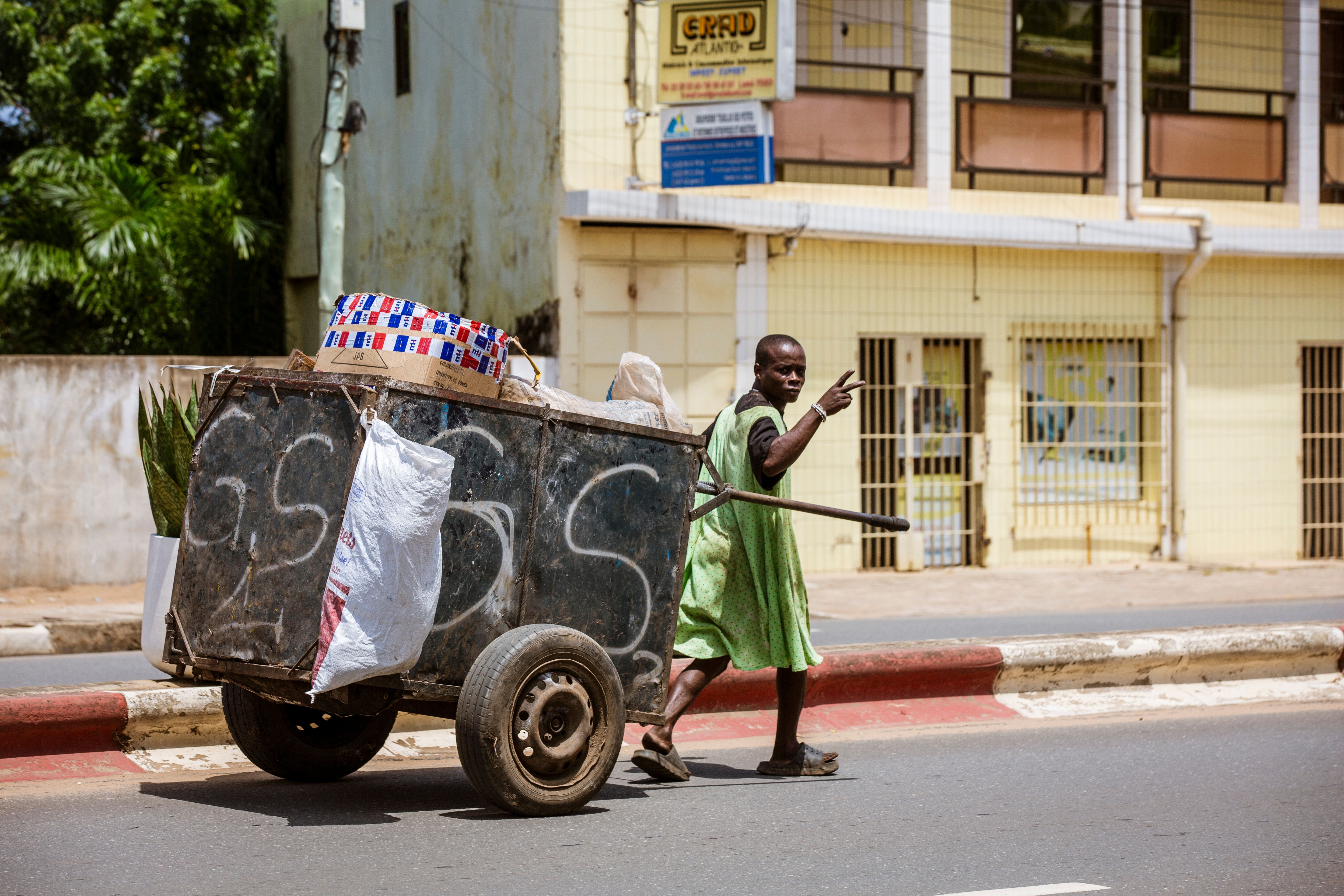
Getting There: Budget Routes Into the Loop
I flew into Accra, Ghana (because flights there are cheaper), then took a minibus north to Togo. But here’s the smarter move: Kiwi.com lets you compare flights into either Lomé (Togo’s capital) or Cotonou (Benin’s largest city). Both airports have cheap, frequent minibus connections to town.
Once you’re in-country, getting between Togo and Benin is stupidly easy. The border crossing between Lomé and Benin’s northern towns (Kpomé, Togodo) is informal and smooth. I paid no bribes, faced no hassle. From Cotonou, you can also loop back into Togo or head further into Benin’s interior.
Minibus costs:
- Accra to Lomé: $8–12
- Lomé to Cotonou: $6–10
- Cotonou to interior Benin: $3–5
Pro tip: Book minibuses the day before at stations. Prices are fixed, and you’ll avoid the stress of hunting for transport on the fly. I used Omio to pre-scout routes and get a sense of timing before arrival.
Togo: 7 Days on $12/Day
Days 1–3: Lomé, the Coastal Capital
Arriving in Lomé felt like landing in a fever dream. The Atlantic Ocean crashes against a palm-lined beach, colorful pirogues bob in the shallows, and the city’s energy is frenetic—markets overflow with fabric, street vendors hawk grilled fish, and the smell of charcoal and spices hangs thick in the air.
I stayed at Refuge des Routards, a backpacker institution that costs $9 a night and sits three blocks from the beach. It’s basic—concrete rooms, a shared kitchen, cold showers—but the owner knows every minibus route and the guesthouse becomes your nexus for meeting other travelers. This is where the loop’s social fabric starts.
Lomé itself doesn’t scream “destination,” but it’s atmospheric. I spent my first day wandering the Grand Marché, getting lost in stalls selling everything from fabric to fried snails. The Marché des Fétiches (Fetish Market) is where things get genuinely dark—vendors sell animal skulls, herbs, and talismans used in traditional voodoo practice. It’s unsettling and fascinating; photograph respectfully and ask before shooting.
The beach at Tokoin is where locals hang out. I grabbed a grilled whole fish (about $1.50) from a beachside vendor, sat on the sand, and watched pirogue fishers haul in the morning catch. This is where you eat like a local: the farther from tourist spots, the cheaper and better the food tastes.
Costs in Lomé:
- Accommodation: $9–12/night
- Street food meals: $0.75–$2
- Beach fish dinner: $1.50–$3
- Local beer: $0.50–$0.75
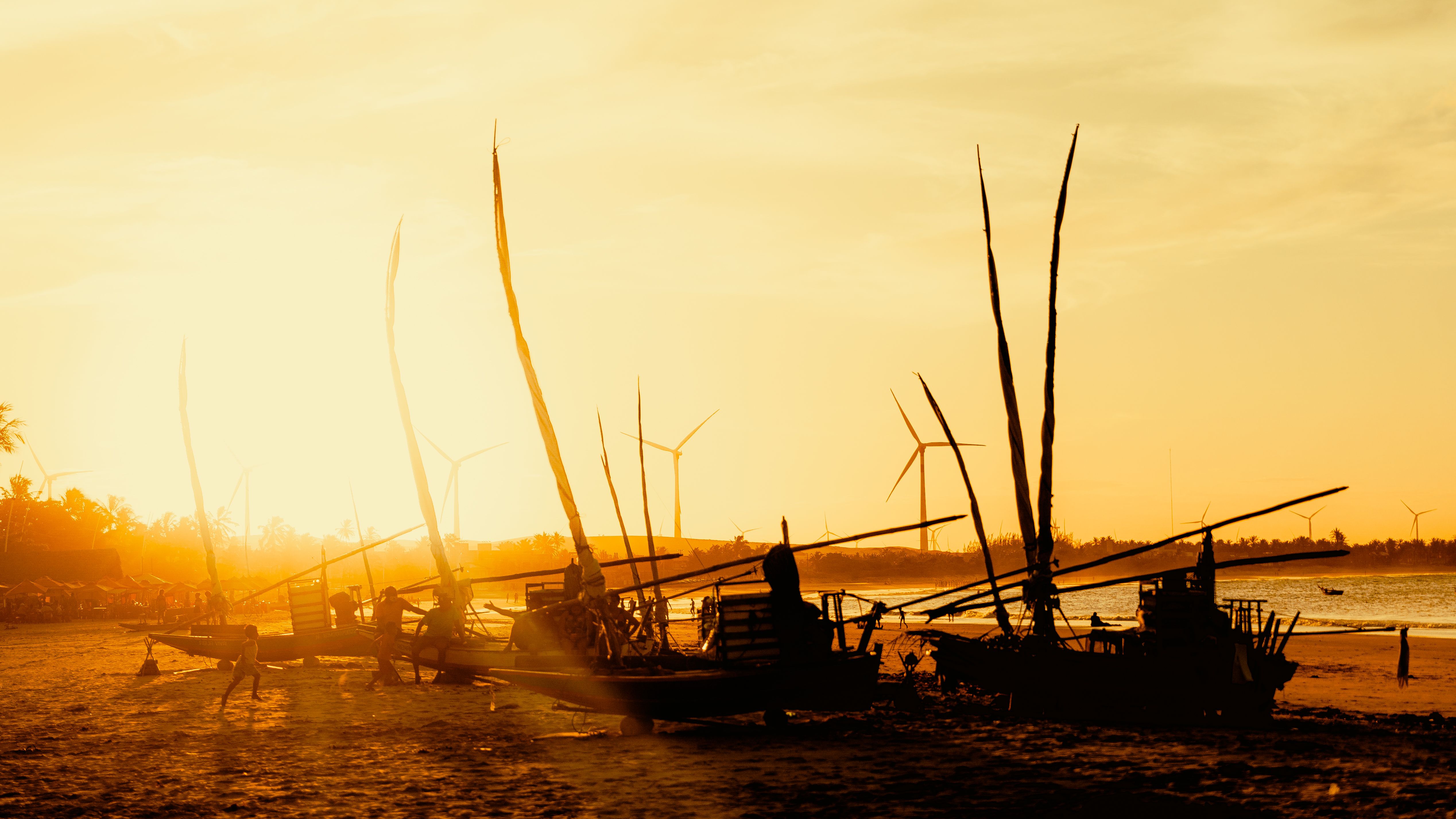
Days 4–7: Toliara and Palimé (Kpalimé)
The real Togo lies north of Lomé. I took a minibus (4 hours, $6) to Palimé, a town nestled in lush green hills about 130km north. This is where Togo’s interior reveals itself—waterfalls, cocoa plantations, and a cool mountain breeze that feels like escape.
Palimé is a base for exploring the Cascade de Kpalimé (waterfall) and hiking into the surrounding hills. I hired a local guide (around $8 for a half-day) who took me to the waterfall and down into a river canyon. The hike is sweaty and muddy and utterly worth it. We swam in pools beneath the cascade, and the guide told me stories about the history of the region—how the hills used to shelter runaway slaves, how the French colonial period had barely touched some of these villages.
Accommodation in Palimé costs $7–10 a night. I stayed at a simple guesthouse where the owner made breakfast (fried plantains, eggs, bread) for an extra $2. Food here is even cheaper than Lomé—$0.50 okra soup, $1 grilled chicken, $0.75 for fresh passion fruit juice.
From Palimé, I also took a day trip to Toliara, a smaller town nearby, just to see what was there. The answer: not much, but that was the point. A tiny guesthouse, a market where I bought fruit for pocket change, and locals who were genuinely curious about where I came from. This is where tourism hasn’t landed yet.
Benin: 8 Days on $14/Day
Days 1–4: Cotonou and Lake Nokoué
Crossing from Togo into Benin felt like a step sideways in time. The border is a blur—officials waved me through with minimal fuss—and suddenly I was in Cotonou, Benin’s largest city and spiritual heart.
Cotonou is grittier and more chaotic than Lomé. Motorbike taxis (zemidjans) swarm the streets, the lagoon smells of brine and fish, and the markets seem to operate at a higher fever pitch. But this is where Benin’s real soul lives.
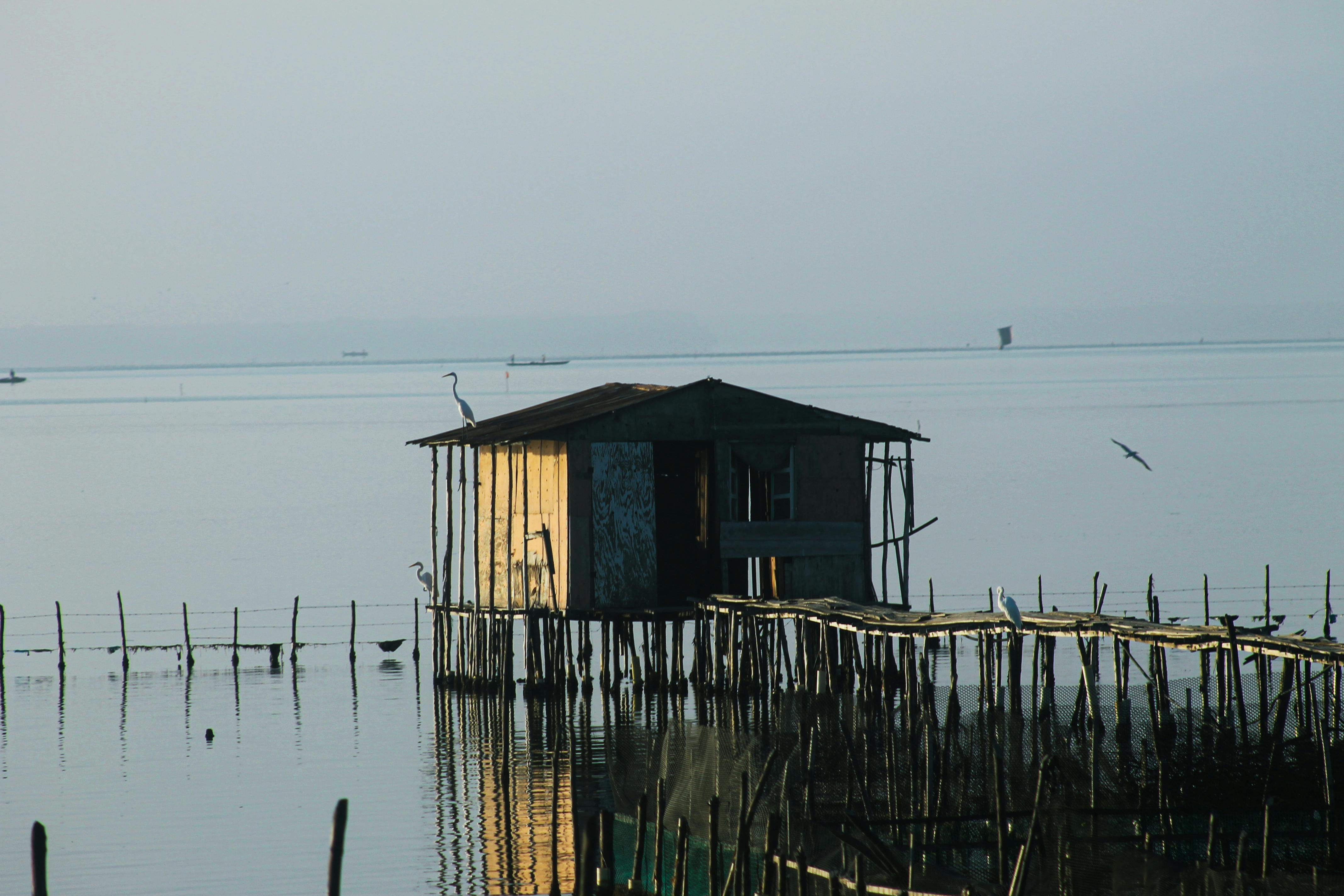
I stayed at Auberge de la Jeunesse, a youth hostel that costs $8 a night and puts you in the thick of the backpacker scene. From here, I took a pirogue out to Ganvié, a floating village built entirely on Lake Nokoué. The village is surreal: houses on stilts, children paddling canoes to school, fishermen casting nets from dawn to dusk. It’s also a major tourist draw, which means prices are inflated, but going early (5 AM pirogue departure, $8–10 per person) gets you there before the day-trippers and gives you a quieter, more authentic experience.
The real magic of Ganvié is watching daily life unfold. Women paddle to fetch water. Kids swim between houses. A school operates from a floating platform. You’re not just seeing a place; you’re witnessing how an entire community thrives in an environment most of us would find impossible.
Costs in Cotonou:
- Accommodation: $8–12/night
- Street food meals: $0.75–$2
- Ganvié pirogue tour: $8–12
- Local beer: $0.50–$0.75
Days 5–8: Ouidah and the Voodoo Trail
If Cotonou is Benin’s economic heart, Ouidah is its spiritual one. Located about 40km from Cotonou (minibus, $2, 1 hour), Ouidah is the epicenter of voodoo culture and West African spiritual practice. It’s also where the slave trade’s darkest chapters unfolded.
I spent two days in Ouidah, and it rewired something in me about Africa and history.
The town itself is modest—colonial buildings in pastel colors, a beach where the Atlantic pounds the shore, and temples devoted to voodoo deities. But the atmosphere is thick with history. This is where millions of enslaved people were held before being shipped across the Atlantic. The history sits in the air like humidity.
I visited the Musée de la Porte du Non-Retour (Museum of the Gate of No Return), which documents the slave trade with unflinching honesty. It’s emotionally devastating but necessary. Entry is about $3. From there, I walked the Route de l’Esclave (Slave Route), a marked path through town that traces the final journey enslaved people took to the ships. The route ends at the beach, at a monument of broken chains.
But Ouidah isn’t just about darkness. It’s also alive with spiritual energy. I visited the Temple des Pythons (Python Temple), where dozens of snakes coil around the grounds. It sounds terrifying, but it’s actually peaceful—the snakes are sacred here, protected by priests. Donation: $3–5. The priests explained that the pythons represent spiritual power and protection. Tourists sometimes get freaked out, but locals view the temple as a place of harmony.
I also met a voodoo practitioner who gave me a tour of his shrine (negotiate around $5–10). He explained the basics: voodoo isn’t devil worship or Hollywood stereotypes. It’s a syncretic spiritual practice that blends African religion with Catholicism. Each voodoo deity (loa) has a corresponding Catholic saint. It’s complex, beautiful, and nothing like Western media portrays.
Accommodation in Ouidah is cheaper than Cotonou: $7–9 a night. Food is excellent and cheap—I had grilled fish with plantains and hot sauce for $1.50. Fresh coconut juice at the beach: $0.50.
Eating Like a Local: The $2 Daily Food Budget
One of the best parts of this loop is that eating well costs almost nothing. Here’s how I ate for $1.50–$2 a day:
Breakfast: Fried plantains, an egg, bread, and sweet black coffee from a street vendor. Cost: $0.50–$0.75.
Lunch: A bowl of okra soup with cassava fufu, or grilled fish with rice and hot sauce. Cost: $0.75–$1.50.
Dinner: Grilled chicken with fried plantains, or fresh bean soup with bread. Cost: $1–$1.50.
Snacks: Fresh mangoes, passion fruit, coconut, peanuts in paper cones. Cost: $0.25–$0.50 each.
Drinks: Local beer, water, fresh fruit juice. Cost: $0.50–$1.
The secret is eating where locals eat. Tourist restaurants in Cotonou charge $4–6 for the same meal you can get from a street vendor for $1. I never set foot in a tourist restaurant. I ate at market stalls, from vendors on the street, and at tiny guesthouses where the owner’s family cooks.
Street food is safe if you use sense: eat where there’s turnover (busy stalls), avoid pre-cooked food sitting in the heat, and trust your gut. I never got sick once.
Practical Information for the Loop
Visas:
Both Togo and Benin offer visa-on-arrival for most nationalities, or you can get tourist visas in advance. Cost: around $40–60 per country. No drama, no rejections. I got mine at the airport.
Money:
Both countries use the West African CFA franc (currency code: XOF). Exchange rates are stable. ATMs are available in Lomé and Cotonou. I’d withdraw $200–300 for the whole loop to minimize ATM fees.
Safety:
Togo and Benin are safe for budget travelers who use common sense. Petty theft happens in crowded markets (keep your backpack close), but violent crime against tourists is rare. Avoid walking alone at night in cities. Stick to well-traveled areas. Police are generally polite. I felt safer here than in some European cities.
Get Ekta Travel Insurance before you go—it’s cheap for budget travelers and covers medical emergencies.
Communication:
SIM cards cost $1–3 and include data. I used Airalo to buy an eSIM before arrival, which saved me the hassle of finding a local provider in the airport. Data is incredibly cheap once you’re in-country ($2–3 for a gig).
Accommodation:
Budget guesthouses dominate. Booking.com lists many, but the cheapest places are found by asking other backpackers or walking into neighborhoods and asking locals. Most budget places don’t show up online.
Activities:
GetYourGuide offers curated tours in both countries, though hiring local guides directly (through your guesthouse) is cheaper and more authentic. Hiking, waterfall visits, temple tours, village visits, and market exploration are all free or under $5.
Security:
Use NordVPN if you’re accessing sensitive information or banking on public WiFi. It’s cheap and gives peace of mind.
Storage:
If you’re moving fast and need to stash luggage between destinations, Radical Storage operates in major cities and costs around €3–5/bag/day. Useful if you want to do day trips light.
[IMAGE PLACEHOLDER 6: Market in Cotonou]
Why This Loop Works for Broke Backpackers
Here’s what makes Togo and Benin the perfect $18/day loop:
- Ultra-cheap accommodation: $7–12 a night gets you a clean, safe guesthouse with a fan and cold water. You’re not compromising; you’re just not paying for WiFi you don’t need.
- Street food economy: A full meal costs $1–2. You eat better and cheaper than hostel diners in Europe.
- No tourist markup: Prices haven’t inflated because tourists haven’t arrived yet. You’re not paying “backpacker tax.”
- Rich cultural experiences: Voodoo temples, floating villages, colonial history, and living traditions—not packaged, but real.
- Minimal visa drama: Both countries are accessible and bureaucratically straightforward.
- Social infrastructure: Backpackers exist in both countries, but it’s a small, tight community. You meet fellow travelers quickly and get solid recommendations.
The Loop Itinerary (15 Days Total)
Days 1–3: Lomé, Togo (arrival, acclimatization, beach)
Days 4–7: Palimé/Toliara, Togo (nature, hiking, mountain towns)
Days 8–10: Cotonou, Benin (Ganvié day trip, gritty urban energy)
Days 11–15: Ouidah, Benin (voodoo temples, slave history, spiritual depth)
You can compress this to 10 days or expand to 3 weeks. The loop is flexible—there’s always a minibus, and transport is cheap.
Final Thoughts: The Forgotten Twins Aren’t Forgotten by Me
Leaving Benin, I realized something: the reason Togo and Benin are overlooked isn’t because they’re boring. It’s because they don’t perform for tourists. They’re not Instagram destinations. They don’t have 4-star hotels or craft cocktails or influencers posting sunset shots.
But that’s exactly why they’re essential. In places like this, you experience travel as human connection—conversations with locals who aren’t used to tourists, food that tastes like someone’s grandmother made it, and culture that exists for itself, not for consumption.
For broke backpackers, that’s gold. You get to witness West Africa before it gets packaged and sold. And you do it for less than $20 a day.
If you want budget. If you want authentic. If you want to be the person saying “yeah, I’ve been to Togo and Benin”—places your friends have never heard of—then this loop is for you.